

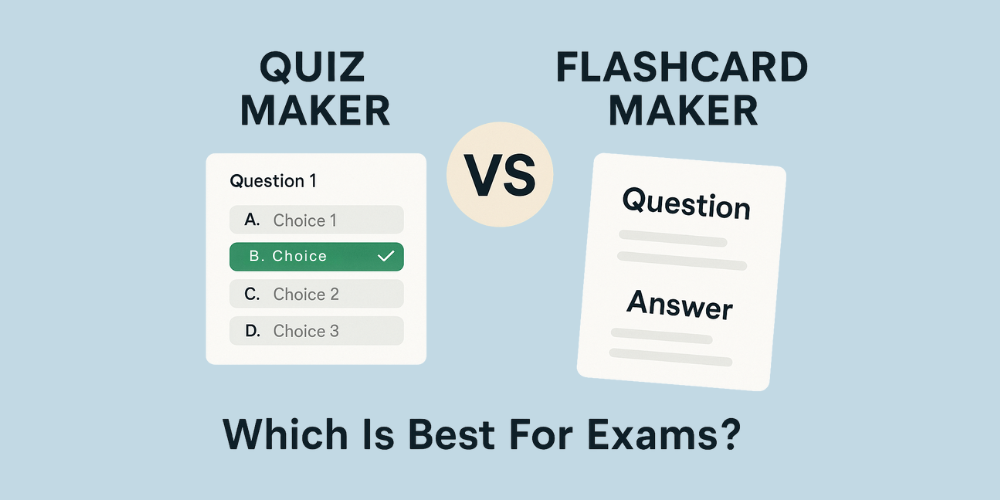
Choosing how to study for exams can feel tricky. Should you focus on interactive quizzes that test your understanding or use flashcards to reinforce key facts? Both approaches leverage powerful learning science. Quizzes engage retrieval practice while flashcards use spaced repetition. By understanding quiz maker vs flashcard maker’s unique strengths, you can pick the right tool to boost retention and confidence.
In 2025, AI quiz makers and flashcard platforms will have evolved with features like automatic question generation, adaptive timing, and performance analytics. We tested leading solutions across these categories to highlight which features matter most for effective exam prep.
In this article, we’ll explore how quiz makers and flashcard makers work, examine their benefits and limitations.
What Is a Flashcard Maker?
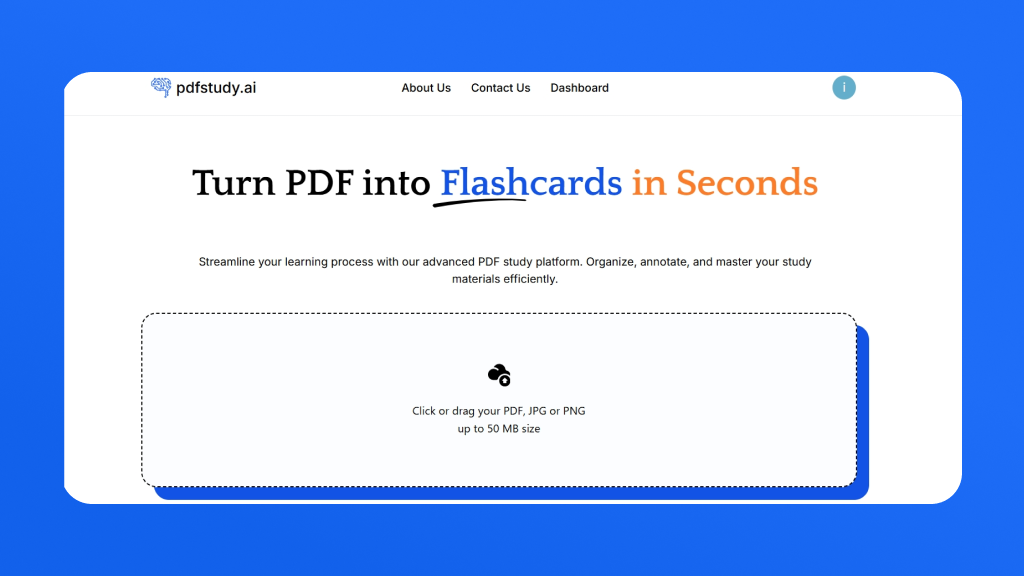
A flashcard maker is an online tool that helps you create, organize, and review digital flashcards for efficient studying. Instead of writing cards by hand, you can use an AI flashcard maker to automatically generate question-and-answer pairs from your notes or documents, saving time and ensuring consistency. These online flashcard maker platforms often include built-in spaced repetition systems to schedule reviews at optimal intervals, leveraging the science of active recall to boost retention.
With AI-powered features, a flashcard maker can parse PDFs, images, or text input to extract key concepts and formulate flashcard prompts and answers instantly. This streamlines the process of turning large volumes of material into study-ready decks, making it ideal for exam prep in 2025 and beyond. By using an AI flashcard maker, learners can focus more on understanding content rather than manual card creation, leading to more effective and engaging study sessions.
Choosing the right flashcard maker means looking for features like AI-driven parsing, seamless integration with your study materials, and an intuitive interface that minimizes distractions.
What Is a Quiz Maker?
A quiz maker is an online tool that enables you to design quizzes for effective learning and assessment. By automating grading and providing instant feedback, an online quiz maker helps both educators and learners engage in retrieval practice — a proven method to strengthen memory retention and deepen understanding.
Modern AI quiz maker tools go further by auto-generating questions from source materials, analyzing performance data, and adapting difficulty based on user responses. For example, an AI quiz maker can parse a textbook chapter or lecture notes, extract key concepts, and formulate relevant questions in seconds. This reduces manual effort and ensures consistency across quizzes. Many platforms also integrate analytics dashboards, showing which topics need more review and guiding learners to focus on weak areas.
Benefits of quiz-based study
- Active retrieval practice: Regular quizzing forces you to recall information, reinforcing neural pathways and improving long-term retention.
- Immediate feedback: Learners see correct answers right away, helping to correct misconceptions before they become ingrained.
- Scalability and efficiency: You can deploy quizzes to large audiences with minimal setup, saving time on grading and administrative tasks.
- Customization and accessibility: Online quiz maker platforms often allow flexible formatting (images, multimedia), timed assessments, and mobile-friendly access, supporting diverse learning needs.
- Adaptive learning: Advanced AI quiz maker tools adjust question difficulty based on user performance, creating personalized study paths that maximize learning gains.
Key Differences Between Flashcards and Quiz Makers
While both flashcards and quizzes employ retrieval practice to strengthen memory, they differ in how they engage learners, manage cognitive load, and support metacognition. Understanding these nuances helps you choose the right approach for specific learning goals.
1. Purpose and learning goals
Quizzes primarily function as assessment instruments, gauging how well you retain and apply material under test-like conditions. They often serve as checkpoints in a course or self-evaluation before major exams, measuring outcomes and revealing areas needing deeper review.
Flashcards, by contrast, act as a focused study aid for reinforcing discrete facts or concepts through repeated recall. Rather than evaluating performance in a batch, flashcards build strong memory traces over time
2. Cognitive demand and focus
A quiz typically presents a series of questions in one session, requiring you to switch between topics and question types — multiple-choice, true/false, short answer — within a set timeframe. This format simulates exam conditions, helping build test-taking stamina and adaptability but can impose higher cognitive load, especially if introduced too early.
Flashcards isolate single prompts and responses, allowing you to concentrate on one item at a time. This minimizes extraneous mental effort and supports focused encoding of each fact, which is crucial for long-term retention
3. Feedback timing and depth
With flashcards, feedback is immediate after each attempt: you recall an answer and check the back of the card, reinforcing correct retrieval or correcting errors on the spot. This rapid cycle is ideal for reinforcing foundational knowledge and preventing errors from consolidating.
Quizzes often provide aggregated feedback after completing a set of questions. This batch feedback can reveal patterns — such as consistently missing a particular concept — but delays correction compared to flashcards.
4. Metacognitive awareness and self-regulation
Flashcards excel at fostering continuous self-assessment: learners quickly judge which cards feel easy and which require extra review, automatically spacing repetition to target specific knowledge gaps in fine detail. This granular feedback loop keeps users aware of exactly what they know and what needs reinforcement, promoting effective self-regulation.
While quizzes offer a broader overview of strengths and weaknesses, flashcards provide the precise, moment-by-moment insight that guides focused study and builds confidence through incremental mastery.
5. Motivation and engagement strategies
Flashcards can become monotonous if used in isolation; however, many digital flashcard platforms integrate gamified elements (e.g., streaks, progress bars) to sustain engagement. The quick “one card at a time” format aligns well with short study bursts, making it easy to fit learning into daily routines.
Quizzes, especially those with time limits, scoreboards, or randomized question pools, introduce challenge and variety that can boost motivation through competition (with oneself or peers). The simulated test environment also helps reduce anxiety by familiarizing learners with exam-like scenarios, although excessive pressure may hinder some learners.
6. Adaptivity and personalization
Advanced AI flashcard makers adjust intervals based on individual recall performance, ensuring that difficult cards reappear sooner and mastered cards appear less often. This personalization maximizes retention efficiency.
AI quiz adaptivity focuses on overall competence levels rather than discrete fact mastery.
Benefits of Using Flashcard Makers for Exam Prep
Modern flashcard makers — especially AI-driven platforms — streamline creation and review of study materials, saving time you’d otherwise spend writing cards manually. By uploading notes, PDFs, or textbook excerpts, an AI flashcard maker can instantly generate question-and-answer pairs, letting you focus on understanding content rather than formatting.
Flashcard makers leverage active recall and spaced repetition to maximize retention. Each session prompts you to retrieve information from memory, strengthening neural pathways more effectively than passive review. Built-in scheduling ensures cards reappear just before you’re likely to forget, exploiting the spacing effect for long-term learning. Consistent, targeted review via an online flashcard maker builds a solid foundation, so when you switch to an online quiz maker for self-testing, you’re already primed to tackle varied question formats.
Below are key benefits of using flashcard makers for exam prep:
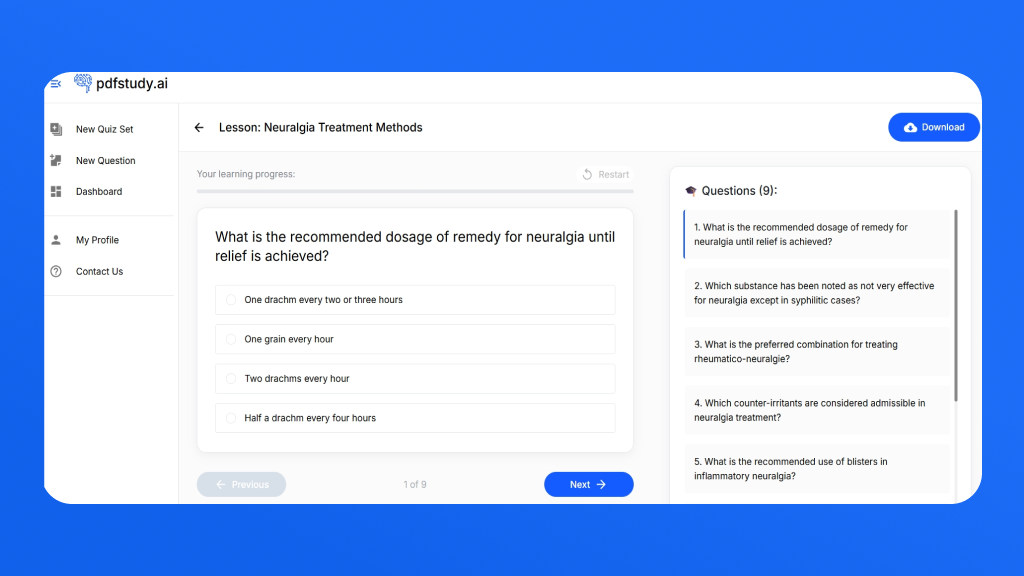
- Time-saving automated generation. Upload documents (PDF, images, text) and let an AI flashcard maker auto-generate cards instantly. Reduce manual effort, so you can dedicate more time to understanding and less to formatting. With pdfstudy.ai, you can upload your notes or PDFs and get high-quality flashcards in under a minute, complete with questions, multiple-choice answers, and clear explanations.
- Enhanced retention via active recall & spaced repetition. Flashcards force active retrieval, which research shows boosts long-term memory more than passive review. Built-in spaced repetition schedules reviews at optimal intervals, reinforcing learning just before forgetting occurs.
- Flexibility & portability. Access decks on any device — study during short breaks, commutes, or between classes. Organize cards into topics or difficulty levels, tag items for focus, and track progress metrics to guide further study or quiz creation. pdfstudy.ai lets you generate and use flashcards anytime, anywhere — whether you’re on your phone between classes or at home reviewing topics.
- Personalization & adaptive learning. AI-driven platforms adjust card schedules based on your performance, resurfacing difficult items more often and easing off on mastered ones.
- Motivation & engagement. Progress indicators, streaks, and customizable decks make study sessions rewarding.
- Cost-effective options. Many flashcard makers offer free tiers that let you practice without extra expense. Premium flashcard maker plans deliver efficiency gains that justify their cost for serious exam prep. pdfstudy.ai offers powerful results even in its free version — fast generation and accurate formatting save hours of prep time.
- Data-driven study planning. Performance analytics in flashcard apps highlight weak areas at a granular level.
When to Use Flashcards vs. Quizzes
Choosing between flashcards and quizzes depends on your learning stage and goals. While both leverage retrieval practice, they serve different purposes at different times. Below are scenarios and recommendations to guide when to rely on flashcards and when to incorporate quizzes.
1. Early learning and familiarization
Use flashcards: At the start of studying new material, flashcards excel at building foundational recall of key terms, definitions, and basic concepts. The focused, one-item-at-a-time format helps you encode information into memory through active recall and spaced repetition.
💡Tool tip: An AI flashcard maker can auto-generate cards from lecture notes or reading materials, speeding up initial setup so you can dive into review sooner.
2. Reinforcement and retention over time
Use flashcards: For ongoing review, flashcards are ideal for ensuring long-term retention. Regular sessions with a flashcard maker reinforce knowledge at optimal intervals, preventing forgetting before exams.
💡Tool tip: Flashcard platforms integrate spaced repetition algorithms; use these alongside occasional quizzes to monitor progress.
3. Mid-stage comprehension checks
Combine flashcards with quizzes: After some flashcard practice, introduce short quizzes via a quiz maker free. This helps test comprehension by presenting multiple items in sequence, simulating exam-like retrieval under mild pressure. Analyze quiz results to identify weak areas for further flashcard review.
4. Application and synthesis practice
Use quizzes: When your goal shifts to applying concepts — solving problems, making inferences, or integrating ideas — quizzes become more valuable. They present mixed questions that require you to retrieve and apply information in context, building test-taking skills and higher-order thinking.
5. Exam simulation and confidence building
Use quizzes: Closer to exam dates, full-length quizzes or practice tests are essential. They train you to manage time, navigate varied question types, and cope with exam pressure. Regular simulated practice via a free quiz maker tool boosts confidence and reveals readiness.
6. Targeted remediation of weak topics
Cycle between both: Analyze quiz performance to pinpoint topics where scores lag. Then switch back to flashcards focused on those specific concepts for intensive recall practice. Once mastery improves, retake quizzes to confirm progress. This iterative cycle maximizes study efficiency.
Final Verdict: Which Is Best for Your Study Style?
When it comes to exam preparation, flashcards emerge as a stronger foundation due to their focus on active recall and spaced repetition. Flashcards help you build and reinforce core knowledge — definitions, formulas, concepts — through frequent, targeted practice. This method optimizes long-term retention, ensuring that key facts stay accessible during high-pressure test situations.
While quiz makers are valuable for assessing comprehension and simulating exam conditions, they work best after you have established a solid recall base. Once flashcards have ingrained essential details, using an AI quiz maker to test the application and timing becomes more effective. In other words, start with flashcards to memorize and solidify fundamentals, then leverage quizzes to confirm readiness and identify any lingering gaps.
Ultimately, tailoring your study style means prioritizing flashcard-driven review for most of your exam prep — especially when learning vast amounts of factual material — while incorporating quizzes periodically for performance checks. This balanced approach harnesses the retention power of flashcards and the assessment benefits of quizzes, leading to greater confidence and success on test day.